Gestlalt Language Processing
Gestlalt Language Processing
Individualized therapy and coaching for gestalt language processors and caregivers

Overview
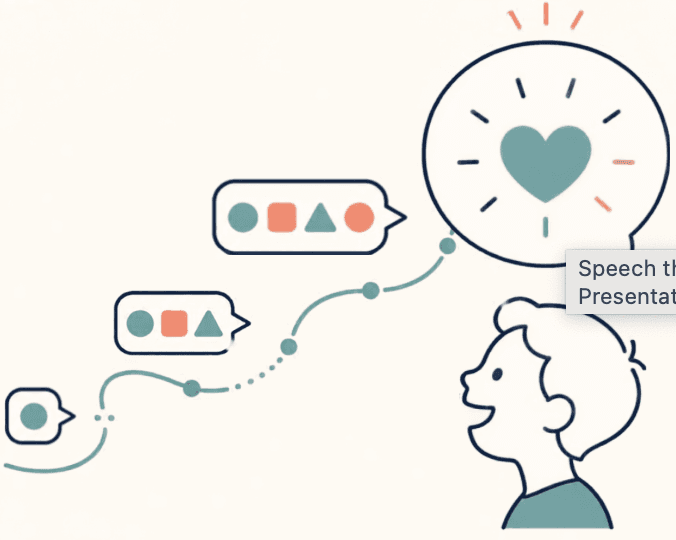
Gestalt Language Processing is a way some children develop language by first learning larger chunks of language (or “gestalts”) before breaking them down into smaller, more flexible parts. Understanding this unique language development style helps us support children through individualized, connection-based strategies that honor their communication journey.
What to Expect: Gestalt Language Processing Support
Step 1: Understanding Communication Style & Strengths
We begin by learning how the individual currently communicates, including their interests, strengths, communication preferences, and the ways they connect with others. We’ll discuss communication goals, everyday routines, and observations that may suggest a gestalt language processing style.
Step 2: Functional Communication Evaluation
Rather than focusing on isolated skills, we look at communication in meaningful contexts. Through observation, interaction, caregiver or communication partner interviews, and communication samples, we explore how the individual uses language, including echolalia, scripts, phrases, gestures, AAC, and other forms of communication.
Step 3: Identifying Language Development Patterns
For individuals who may be gestalt language processors, we consider how they are using language and where they may be in their communication development journey. We look at how gestalts (larger chunks of language) are being used and identify opportunities to support more flexible, self-generated communication.
Step 4: Individualized GLP-Informed Support
Therapy is tailored to the individual’s communication style, interests, and goals. Support may include honoring and responding to echolalia, modeling meaningful language, expanding communication opportunities, and creating environments that encourage authentic expression.
Step 5: Supporting Communication Across Daily Life
Communication development happens everywhere — not just during therapy sessions. We collaborate with families and communication partners to build strategies that can be naturally incorporated into everyday routines, relationships, and activities.
Our goal is to support communication that is meaningful, authentic, and empowering while honoring each individual’s unique way of processing and expressing language.
